
The rhythmic thrum of the khashaba drum in the narrow alleys of Basra isn’t just music; it’s a heartbeat that has refused to stop, even when the rest of Iraq seemed to forget who was beating it. From the very beginning, there is something deeply haunting about the existence of the Afro-Iraqi community, a people suspended between remembrance and erasure, between belonging and invisibility. Reading into their story felt like uncovering a forgotten piece of history hidden beneath the surface of modern Iraq.
To look at the Afro-Iraqi community today is to witness a profound paradox. They are descendants of the Zanj, East Africans whose labour helped build parts of the Abbasid Empire and transform the salt marshes of southern Iraq, yet they remain largely invisible within the national narrative. For the younger generation, this invisibility is no longer a quiet burden to carry in silence, but rather the catalyst for an urgent search for identity in the digital age
For decades, the Afro-Iraqi experience existed beneath the blanket of “national unity.” The idea was simple: everyone was Iraqi, everyone was Muslim, everyone was equal. Yet shared religion and nationality have never erased the sting of being called abd in playgrounds or the silent barriers created by colourism within everyday life. Racism within many societies often survives quietly through denial, and for Afro-Iraqis, that silence became part of their reality.
This community, numbering up to two million, is the legacy of the Zanj, East Africans brought to the region over a millennium ago. While the older generation often sought safety in assimilation, quietly practicing their healing rituals and preserving their Swahili-inflected songs behind closed doors, the youth are pivotally different. They are coming of age in a globalized world where the “Black Lives Matter” movement and the “African Renaissance” are just a scroll away.
For a young man in Zubair or a girl in Basra, seeing the global celebration of Black identity provides a vocabulary for their own struggle. They are beginning to ask: Why do we have no seats in Parliament? Why is our history not taught? Why must our beauty be a “rarity” rather than a norm?
This isn’t just about politics; it’s a reclamation of the soul. We see it in the revival of the Salamat, traditional healing ceremonies, not as “superstition,” but as a sacred connection to an African past that was supposed to have been bleached away by time.
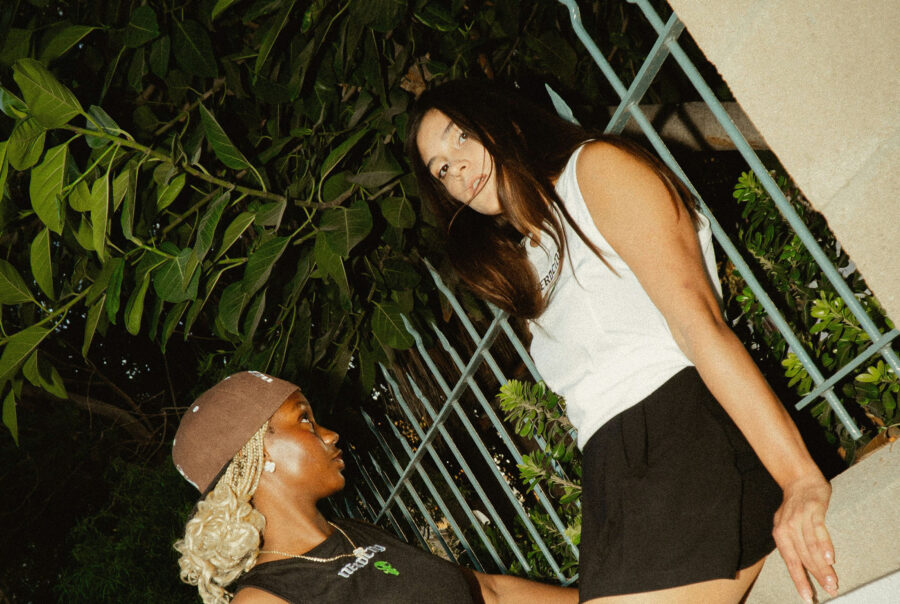
The new Zanj rebellion is unfolding on Instagram feeds, TikTok videos and digital storytelling platforms. Young Afro-Iraqi creators are documenting their features, their music, their families and their everyday lives in a society that has long rendered them invisible. By choosing visibility, they are forcing Iraq to confront a reflection it has avoided for generations.
The tragedy of the “almost forgotten” is that the forgetting was often intentional. To acknowledge the Afro-Iraqi community fully is to acknowledge Iraq’s own history with slavery and systemic exclusion, a conversation many are not ready to have.